









Choosing the right type of photoshoot is crucial, whether you’re building a business or preserving memories. While both a brand photoshoot and a personal photoshoot involve a camera and a subject, their purpose, process, and outcome are fundamentally different. Understanding these distinctions ensures you invest time and resources appropriately, achieving the precise results you need. This guide breaks down the key differences between a commercial branding session and a personal portrait session.
Core Objective: Strategic Marketing vs. Personal Preservation
The most significant difference lies in the fundamental “why” behind the session.
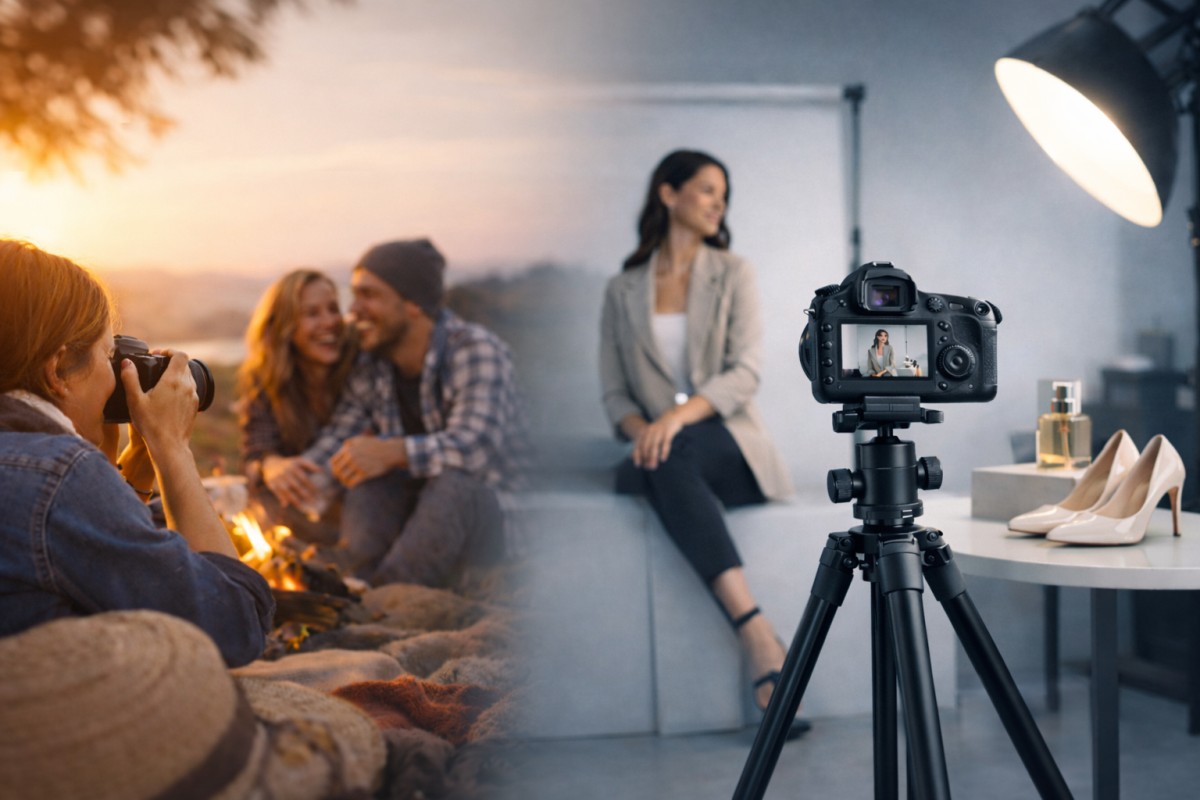
A personal photoshoot (often called a portrait session) aims for personal preservation and expression. The primary goal is to capture an individual’s personality, a family’s bond, or a significant life moment like a graduation, engagement, or maternity milestone. The value is emotional and sentimental, created for private enjoyment and legacy. Success is a gallery that evokes feeling and nostalgia.
A brand photoshoot (or commercial photoshoot) is a strategic marketing investment. Its objective is commercial: to visually communicate a company’s identity, values, and services to a target audience. Every image is created with intent—to build credibility, attract ideal clients, support sales, and create a cohesive brand identity. Success is measured in marketing ROI, such as improved engagement, higher conversion rates, and stronger brand recognition.
The Planning Process: Detailed Creative Brief vs. Loosely Planned Session
The approach to planning highlights the contrast between a strategic campaign and a creative event.
Planning a Personal Photoshoot:
- Focus: Location, outfits, and general mood (e.g., “casual and fun at the park” or “elegant and formal in the studio”).
- Process: Collaboration is often about comfort and vision. You might share inspiration photos (a “mood board”) with your photographer to align on aesthetics.
- Output: The goal is a beautiful collection of varied portraits that capture genuine interactions and emotions.
Planning a Brand Photoshoot:
- Focus: Brand strategy and marketing goals. This precedes any discussion of location or clothing.
- Process: It begins with a creative brief that outlines the target audience, brand voice, key messaging, and specific use-cases for the images (e.g., website hero shot, Instagram carousel, brochure cover).
- Output: A detailed shot list is essential, specifying needed images like “team collaborating in meeting room,” “detailed shot of product in use,” or “founder’s authentic headshot.” This ensures the gallery functions as a usable marketing asset library.
Visual Style & Consistency: Cohesive Identity vs. Expressive Variety
The stylistic outcome of each shoot type serves its core objective differently.
Personal Photoshoot Style:
- Variety is Celebrated: A single gallery may contain close-up portraits, wide environmental shots, playful candid moments, and posed group arrangements. The style can shift to match different moods and interactions.
- Editing: Retouching focuses on enhancing the subject naturally—smoothing skin, adjusting light—while preserving authentic moments. The editing style may vary between photographers based on their artistic signature.
Brand Photoshoot Style:
- Consistency is King: All images must adhere to a strict visual brand identity. This includes a defined color palette, specific lighting style (bright & airy vs. dark & moody), and consistent composition.
- Editing: Retouching follows brand guidelines. Editing ensures every image, whether of a person or a product, looks like it belongs to the same family of visuals. This consistency builds professional recognition across platforms.
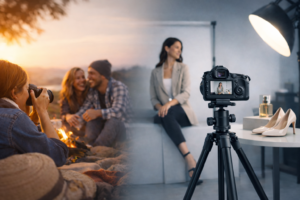
Subject & Art Direction: Brand Narrative vs. Individual Personality
Who and what is in front of the camera changes dramatically.
Subjects in a Personal Shoot:
- The focus is on the individuals or group being photographed—their connection, expressions, and personalities. Props are personal (a favorite book, a musical instrument). The story is their story.
Subjects in a Brand Shoot:
- The focus is on the brand’s narrative. Subjects are chosen to tell that story:
- Team Members: Portrayed as approachable experts.
- Products/Services: Styled hero shots and “in-action” images.
- Workspace & Details: Shots that convey company culture and process.
- Models or Clients: Often represent the ideal customer avatar.
- Art Direction: A brand shoot often involves a stylist, specific props that reflect brand values, and deliberate setups to create scenes that communicate key messages.
Final Deliverables & Usage: Marketing Assets vs. Private Gallery
What you do with the images after the shoot underscores their distinct purposes.
Deliverables of a Personal Photoshoot:
- Usage: Primarily for private use—displayed in homes, shared with family, used on personal social media profiles, or printed in albums.
- Gallery: You receive a curated set of high-resolution images for printing and web-sharing. The number of images is based on the session’s length and package.
Deliverables of a Brand Photoshoot:
- Usage: For commercial use across all marketing channels: website, social media business pages, advertising, email campaigns, print brochures, and pitch decks.
- Asset Library: You receive a strategic library of images, often categorized (e.g., “team photos,” “product shots,” “lifestyle scenes”). Licensing is for commercial use, and images are treated as business assets. The shoot is planned to provide enough variety for content creation over many months.
Investment & Value: Emotional vs. Financial ROI
How you perceive the value of each shoot varies.
Personal Photoshoot Investment:
- The investment is in emotional ROI. You pay for the photographer’s talent, time, and expertise in capturing fleeting moments. The value is the lasting heirloom quality of the portraits, which grows over time.
Brand Photoshoot Investment:
- The investment is in marketing and business growth. The fee covers strategic planning, art direction, and the creation of visual tools that directly contribute to sales and brand positioning. It’s a line item in a marketing budget with an expected business return, such as attracting higher-value clients or launching a new product successfully.
Conclusion: Making the Right Choice for Your Needs
Understanding the key differences between a brand photoshoot and a personal photoshop is essential for achieving your goals.
Opt for a brand photoshoot when you need to:
- Build or refresh your business’s professional image.
- Create a cohesive library of marketing materials.
- Communicate a specific brand message to a target market.
- Support sales, launches, or growth initiatives with high-quality visuals.
Opt for a personal photoshoot when you want to:
- Beautifully document a personal or family milestone.
- Create professional portraits for a non-commercial purpose (like a personal LinkedIn photo).
- Capture the authentic personality and connections of loved ones.
- Produce artwork for your home.
By aligning your needs with the correct type of session, you ensure a successful experience and a final gallery that delivers precisely what you envisioned—whether that’s a powerful marketing tool or a treasured personal memory.